
Mold Testing in Feasterville, PA

Know What's Growing Before It Costs You

Fast, accurate mold testing that tells you exactly what you’re dealing with—so you can make the right call for your home and family.

Hear from Our Customers

Professional Mold Testing Feasterville

Stop Guessing About What's Behind Your Walls

You’ve noticed the musty smell. Maybe someone in your house has been coughing more than usual, or you’re dealing with unexplained headaches and congestion. You can’t see mold, but that doesn’t mean it’s not there.

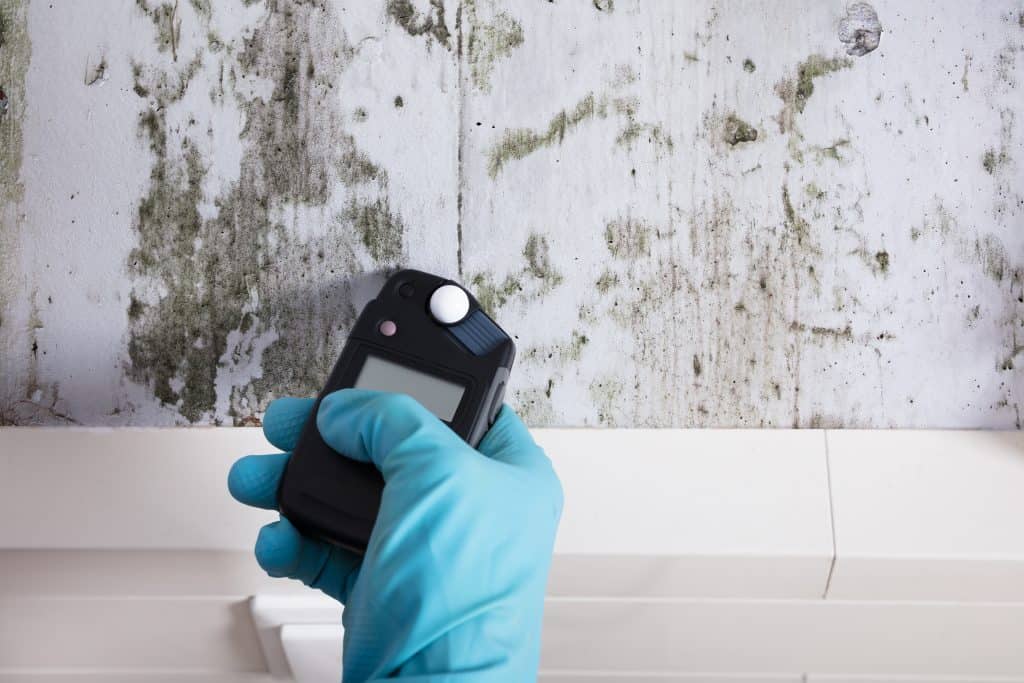
Professional mold testing gives you actual answers. We use thermal imaging and moisture meters to find hidden growth behind walls, under floors, and in crawl spaces you’d never check on your own. Then we collect air samples and send them to a certified lab that identifies the exact species and concentration levels.

Within 24 to 48 hours, you’ll have a detailed report. Not a guess. Not a visual inspection that misses half the problem. Real data that tells you if you need remediation, what type of mold you’re dealing with, and how serious the issue is. That’s how you protect your family’s health and avoid turning a $500 problem into a $15,000 disaster.

Mold Testing Company Feasterville

Local Experts Who Know Bucks County Homes

We’ve been serving Feasterville and Bucks County for years. We’re not a national franchise that shows up with a checklist. We know how homes are built here, where moisture problems typically start, and what Pennsylvania’s climate does to basements and crawl spaces.

Our inspectors are certified, our equipment is current, and our lab results hold up with insurance companies and real estate transactions. We’ve tested hundreds of homes across Bucks County, and we’ve seen what happens when people wait too long or trust a cheap visual-only inspection.

You’re hiring local professionals who live and work in the same area you do. We answer our phones, we show up on time, and we explain what we find in plain language.

Residential Mold Testing Process

Here's Exactly What Happens During Your Test

First, we walk through your home and look for visible signs of mold or water damage. We’re checking basements, bathrooms, attics, and anywhere moisture tends to collect. This isn’t just a quick glance—we’re using moisture meters to measure humidity levels in walls and floors.

Next, we use thermal imaging cameras to detect temperature differences that indicate hidden moisture or mold growth. Cold spots behind drywall usually mean water intrusion. That’s where mold thrives, and it’s where most DIY inspections fail.

Then we collect air samples from multiple rooms, including one outdoor sample as a baseline. These samples get sent to an independent lab that analyzes spore types and counts. The lab results tell us if your indoor air quality is worse than outside, what species are present, and whether concentrations are high enough to require action.

You’ll receive a full report within two days. We’ll walk you through the findings, explain what they mean for your home, and recommend next steps if remediation is needed. No upselling. No scare tactics. Just clear information so you can decide what to do next.

Ready to get started?

Explore More Services

About Mack's Mold Removal

Black Mold Test Feasterville

What You Get With Our Testing Service

Every mold test includes a complete visual inspection, moisture readings throughout your home, thermal imaging to detect hidden problems, and air sampling from multiple locations. We also provide surface sampling if we find visible growth that needs identification.

Bucks County homes face specific challenges. Pennsylvania’s humidity levels and older housing stock mean basements and crawl spaces are prime targets for mold. Nearly half of homes in this region show some level of dampness or mold presence. That’s not a scare tactic—it’s data from state health studies.

Our testing catches problems early, when they’re still manageable. The average mold remediation costs around $2,200, but that number jumps fast if contamination spreads to HVAC systems or structural materials. Testing costs a few hundred dollars and can save you thousands.

You’ll also get documentation that satisfies insurance companies, mortgage lenders, and real estate requirements. If you’re buying or selling a home in Feasterville, our reports give you leverage in negotiations and peace of mind that you’re not inheriting someone else’s mold problem.

How much does mold testing cost in Feasterville, PA?

Most residential mold testing in Feasterville runs between $300 and $600, depending on the size of your home and how many samples we need to collect. A typical three-bedroom house with a basement usually falls around $400 to $500.

That price includes the visual inspection, moisture readings, thermal imaging, air sampling from multiple rooms, and certified lab analysis. If we find visible mold that needs surface sampling for species identification, that may add another $100 to $150.

Some companies advertise cheaper rates but only do visual inspections without lab testing. That’s not useful if you’re dealing with hidden mold or need documentation for insurance or real estate purposes. You’re paying for accurate data, not just someone’s opinion about whether they see mold.

Lab results typically come back within 24 to 48 hours after we collect samples. The actual testing appointment takes about an hour, depending on your home’s size and how many areas we’re inspecting.

We send samples to an independent certified lab that analyzes spore types and concentrations. They’re looking at what species are present, how many spores per cubic meter, and whether your indoor levels are higher than the outdoor baseline we collected.

Once results are in, we’ll call you to schedule a time to review the report. We’ll explain what the numbers mean, whether remediation is necessary, and what your next steps should be. If you need the report sent to an insurance company or real estate agent, we can handle that same day.

You can buy DIY mold test kits at hardware stores for $10 to $50, but they’re not reliable for making real decisions. Most kits only tell you that mold is present—which is true in almost every home. They don’t tell you what type, how much, or whether it’s actually a problem.

Professional testing uses calibrated equipment to measure moisture levels, thermal imaging to find hidden growth, and controlled air sampling that compares indoor concentrations to outdoor baselines. That’s how you know if you have a problem or just normal background levels.

If you’re dealing with health symptoms, planning to buy or sell a home, or filing an insurance claim, you need lab-certified results. DIY kits won’t hold up in those situations. And if you miss hidden mold because you only tested visible areas, you’re not solving anything—you’re just delaying the real problem.

The most common types we find in Feasterville and Bucks County are Cladosporium, Penicillium, Aspergillus, and Stachybotrys (black mold). Each one grows in different conditions and presents different health risks.

Cladosporium usually shows up in damp areas like bathrooms and basements. It’s one of the most common outdoor molds, but high indoor levels can trigger allergies and asthma. Penicillium grows on water-damaged materials like drywall and insulation. It spreads fast and can cause respiratory issues.

Aspergillus thrives in very damp conditions and can be dangerous for people with weakened immune systems. Stachybotrys—the black mold everyone worries about—grows on materials with high cellulose content after prolonged water exposure. It produces mycotoxins that can cause serious health problems. Lab testing identifies exactly which species you’re dealing with, so you know how urgent remediation needs to be.

It depends on what caused the mold. If it’s from a sudden, covered event like a burst pipe or storm damage, most homeowners insurance policies will cover testing and remediation. If it’s from long-term neglect or maintenance issues like a slow leak you ignored, they probably won’t.

You’ll need professional documentation to file a claim. Insurance companies want lab results, moisture readings, and a clear timeline of when the damage occurred. Our reports include all of that, and we’ve worked with dozens of claims in Bucks County.

The key is acting fast. If you wait weeks or months after water damage, insurers may argue you didn’t mitigate the problem quickly enough. Get testing done within a few days of discovering moisture or water intrusion, and document everything. That gives you the best chance of coverage. Even if insurance doesn’t pay, testing still saves you money by catching problems before they spread.

First, don’t panic. Finding mold doesn’t mean your house is uninhabitable or worthless. It means you have information and can fix the problem before it gets worse.

Look at the lab results to see what species were found and at what concentration levels. Some mold is normal—outdoor air has spores, and they get inside. The question is whether your indoor levels are significantly higher than outdoor levels, and whether you’re dealing with toxic species like Stachybotrys.

If remediation is needed, you’ll want a licensed company that follows proper containment and removal protocols. Don’t just bleach it and paint over it—that doesn’t kill mold, and it’ll come back. You also need to fix the moisture source, whether that’s a leak, poor ventilation, or humidity issues. Removing mold without fixing moisture is pointless. We can walk you through the next steps and connect you with remediation services if needed.

Other Services we provide in Feasterville